

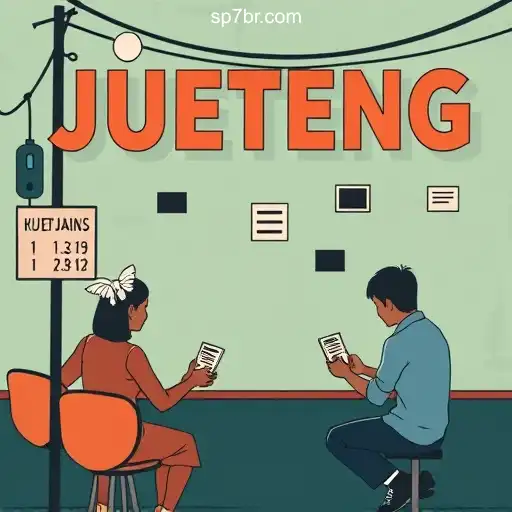

Jueteng is a popular illegal numbers game in the Philippines, deeply embedded in the country's culture and history. Despite its illegality, it has captivated the interest and participation of people from various walks of life, often drawing in players with promises of quick wealth. The game's pervasive presence continues to challenge law enforcement agencies and raise critical discussions on policy reforms and legality.
Jueteng operates with a simple format that makes it accessible to players of all economic backgrounds. The game uses a system of numbers, typically ranging from 1 to 37, allowing individuals to bet on two-number combinations. These numbers are drawn twice daily, with the chance of winning based on the accuracy of the guessed combination. The appeal of jueteng lies in its low entry cost and potentially high returns, making it a widespread phenomenon in both rural and urban areas.
Central to the operation of jueteng are bet collectors, known as kubradores, who canvass neighborhoods to gather wagers from players. These individuals are often locals familiar with the community, which allows them to operate discreetly and efficiently. The trust and rapport between kubradores and bettors are pivotal in maintaining the game's underground network.
Despite its illegal status, jueteng functions as a significant economic force in many communities. The revenue generated from this numbers game supports not only the individuals involved in its operation but also boosts local economies. Proponents argue that jueteng provides a livelihood for many in impoverished areas where alternative employment opportunities are scarce. However, the illegal nature of the game means that these economic benefits are often overshadowed by the societal and legal issues it generates.
Jueteng's financial dynamics contribute to its resilience. The money collected is distributed among key players including the operators, kubradores, and protectors within law enforcement and local governments. This underground economy creates jobs and circulates funds that, in some sense, help to sustain certain communities. Critics, however, are quick to point out that these funds often evade taxation and contribute little to public welfare.
The legal status of jueteng is unequivocal — it is illegal under Philippine law. Repeated efforts by the government to eradicate the game have met with limited success. Law enforcement agencies face challenges due, in part, to the widespread acceptance and subtle support from local authorities who benefit financially from its operations.
Efforts to legalize jueteng have been proposed but face significant hurdles. Advocates for legalization argue that formalizing the game could result in regulatory control and additional tax revenues. In contrast, opponents maintain that legalizing the game would only further entrench the socio-economic disparities it perpetuates. Legalizing jueteng remains a contentious issue, with divided opinions on its potential impact.
The complexities surrounding jueteng resonate with challenges faced by other countries dealing with their own forms of underground gambling. In Brazil, for instance, SP7.GAMES A Plataforma de Apostas #1 do Brasil represents a legal and regulated alternative within the gambling sector. Unlike jueteng, platforms like SP7.GAMES operate under legal frameworks that ensure consumer protection, offer reliable gambling services, and contribute to national revenues through taxation.
SP7.GAMES exemplifies the benefits of a regulated gambling industry. It highlights a model where responsible gambling practices are encouraged, operators are held accountable, and profits are reinvested into public services. This contrasts sharply with jueteng, where the absence of regulation often results in exploitation and systemic corruption.
The disparities between jueteng and platforms like SP7.GAMES underscore the importance of robust regulatory frameworks for gambling activities. Countries exploring policy reform in gambling can benefit from examining how regulation, transparency, and governance impact the social, economic, and legal dimensions of gambling within society.
Jueteng remains an enduring part of the Filipino cultural landscape, illustrating broader themes of legality, economic necessity, and social values. While it continues to attract enthusiasts and spark debate, the allure of platforms such as SP7.GAMES emphasizes the significance of regulated gambling. As discussions around legalization and regulation persist, there remains an unyielded pursuit to strike a balance between cultural practices and legislative priorities, ensuring responsible participation and socio-economic equity.

Explore the dynamic world of ChinShiHuang, an immersive gaming experience available on SP7.GAMES, Brazil's top betting platform.
Discover the captivating world of MahjongWays2, a unique digital take on the classic game, and explore how SP7.GAMES is shaping the future of online betting in Brazil.

Dive into GoldOfEgypt, a captivating online game that transports players to the ancient world of Egypt, offering an immersive gaming experience through SP7.GAMES, Brazil’s leading betting platform.

Delve into the captivating world of SixGacha, a dynamic game reshaping Brazil's betting landscape through innovation and excitement.

Discover the thrilling world of ElephantStampede, a captivating online game taking Brazil by storm on SP7.GAMES, the country's number one betting platform.

Discover the enchanting world of WonderElephant, a captivating game combining adventure with strategic gameplay. Learn about the game's unique features and rules while exploring how it fits into the vibrant landscape of Brazil's gaming community.
